Why I Keep Coming Back to lifestraw – An In-Depth Look
Hey everyone! If you’re anything like me, you love getting out there – whether it’s hitting the hiking trails, camping under the stars, exploring new cities abroad, or just being prepared for whatever life throws your way. And if you’re *really* like me, you know that one of the biggest anxieties when you’re off the beaten path, or even just dealing with an unexpected situation, is having access to clean, safe drinking water. That’s where Lifestraw has completely changed the game for me.
For years, I used to haul heavy water bottles on every trip, constantly worried about running out or, even worse, getting sick from a questionable water source. I’ve heard the horror stories, and let’s just say a bad stomach bug is *not* the souvenir anyone wants from a wilderness expedition or an international adventure. My journey with Lifestraw started out of pure necessity, but it quickly turned into a genuine endorsement of a product line I now rarely leave home without.
### My First Dive into Lifestraw: A Story of Streams and Skepticism
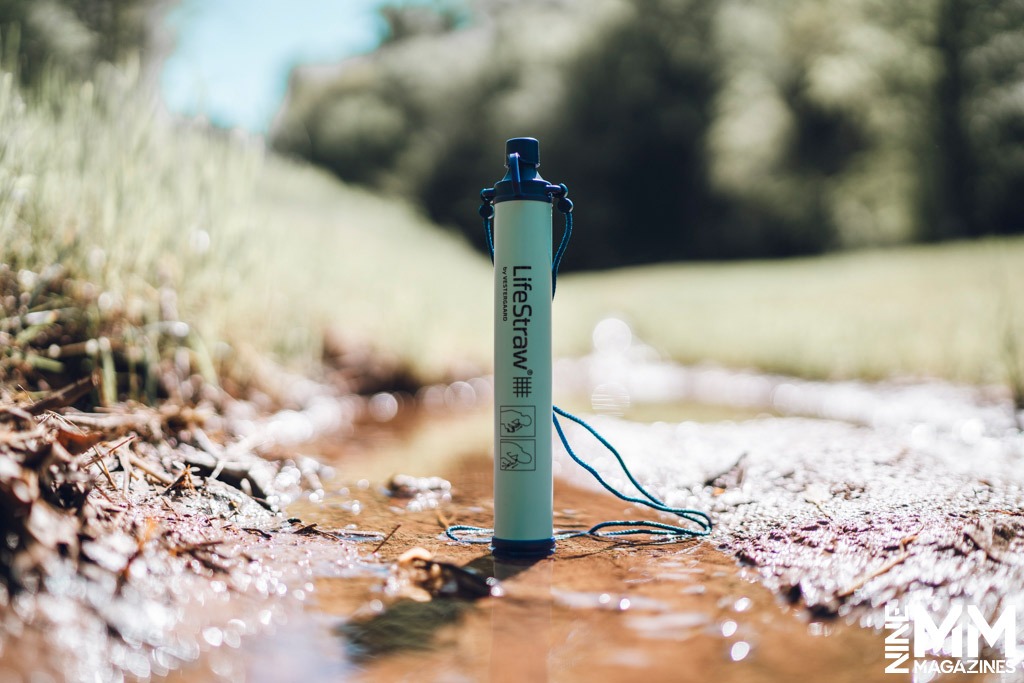
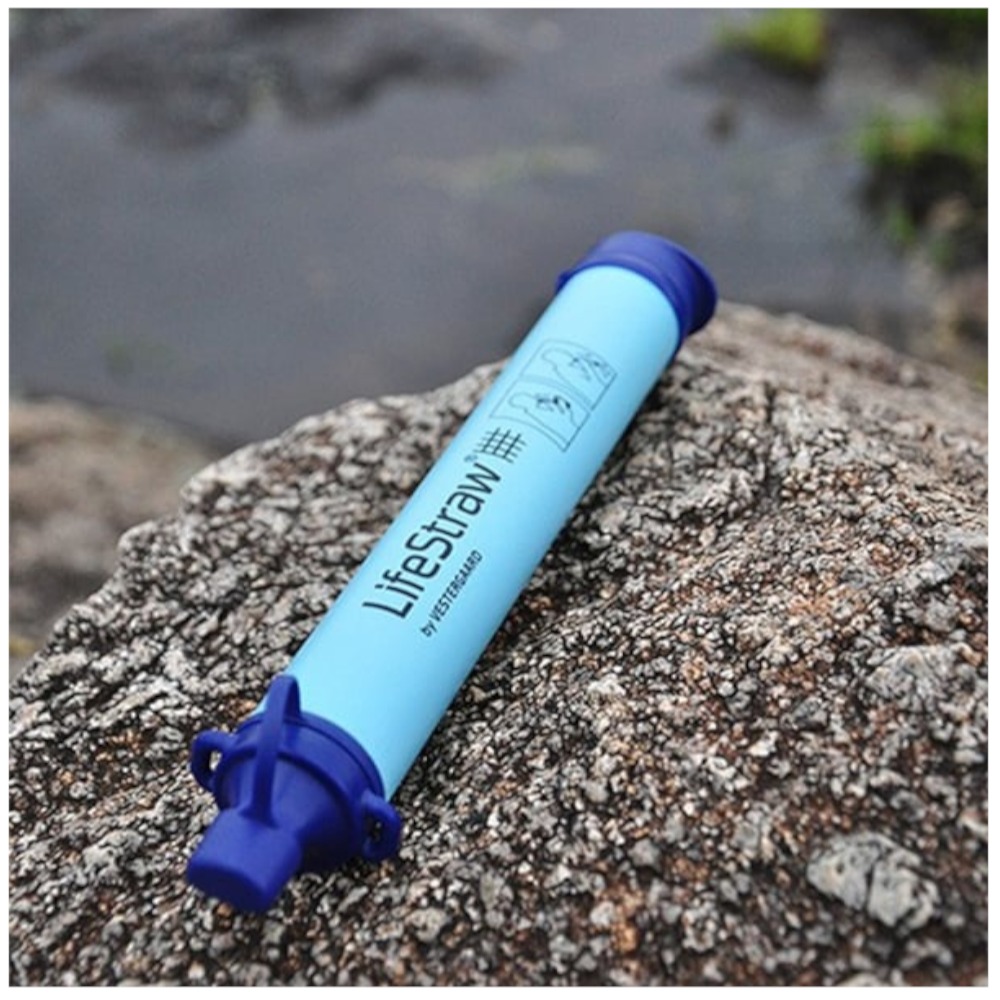
I remember the first time I actually tried a Lifestraw. It was a few years back, on a multi-day backpacking trip in the Pacific Northwest. We were trying to go ultralight, and my friend kept raving about this “magic straw” he’d bought. I was skeptical, to say the least. “You’re telling me I can just stick this thing into a murky stream and drink from it?” I asked, looking dubiously at the slightly cloudy water flowing nearby. He just grinned, pulled out his bright blue Lifestraw Personal Water Filter, dipped it in, and started sipping away like it was bottled spring water. My mind was blown.
I had brought a pump filter, which worked fine but was bulky, heavy, and a bit of a chore to use. Watching him, I thought, “Okay, this could be a game-changer.” On the second day, feeling a bit parched and a long way from our next planned water stop, I nervously asked to borrow it. He handed it over, and I found a small, slow-moving trickle from a rock face – not exactly pristine, but better than a full-on stream. I took a deep breath, plunged the straw in, and took my first sip.
And you know what? It worked. The water tasted… like water. No weird aftertaste, no grit, no funny smells. Just clean, refreshing H2O. It was an instant “aha!” moment for me. From that day on, a Lifestraw personal filter has been a permanent fixture in my hiking pack. It’s not just about convenience; it’s about the peace of mind knowing that if I ever miscalculate my water supply, or an emergency pops up, I have a reliable backup plan. It’s a small item that delivers immense confidence when you’re miles from civilization.
### What Exactly Is This “Magic Straw” Anyway?
At its core, a Lifestraw works by using hollow fiber membrane technology. Imagine thousands of tiny, microscopic tubes bundled together. When you suck water through the Lifestraw, the dirty water is forced through the walls of these tiny tubes. The pores in the membrane are so incredibly small (0.2 microns, to be exact) that they physically block out larger contaminants like bacteria, parasites, and microplastics, while still allowing clean water to pass through.
It’s remarkably effective at what it does:
* **Removes 99.999999% of bacteria:** Think E. coli, Salmonella, Cholera.
* **Removes 99.999% of parasites:** Like Giardia and Cryptosporidium.
* **Removes 99.999% of microplastics:** A growing concern in many water sources.
* **Reduces turbidity:** Makes cloudy water clearer.
What it *doesn’t* do is filter out viruses, dissolved chemicals (like pesticides or chlorine), or heavy metals. This is an important distinction. For most wilderness scenarios in the US, bacteria and protozoa are the main concerns, and Lifestraw handles those brilliantly. However, if you’re traveling internationally to areas with known viral contamination or dealing with chemically polluted water, you might need a more advanced purification method or additional filtration steps. But for the vast majority of my outdoor activities and emergency preparedness needs, Lifestraw fits the bill perfectly.
### Beyond the Original: Exploring the Lifestraw Family
While the original Lifestraw Personal Water Filter holds a special place in my gear collection, I’ve since branched out and explored other products in their lineup, and honestly, they’ve thought of just about every scenario.
#### The Lifestraw Go Bottle: My Daily Hydration Hero
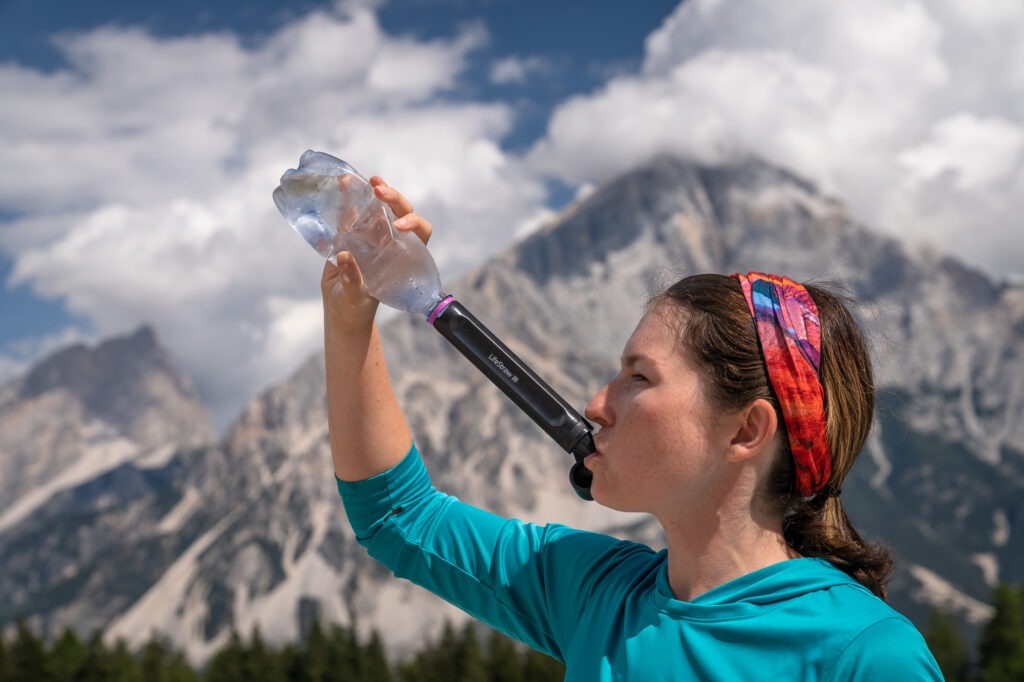
After my initial experience, I quickly graduated to the Lifestraw Go Water Filter Bottle. This thing is brilliant. It’s essentially a durable, BPA-free water bottle with a Lifestraw filter built right into it. This solves one of the minor inconveniences of the original straw – having to get down on your hands and knees to drink directly from a source. With the Go bottle, you just scoop water, screw on the lid, and sip through the mouthpiece.
I’ve taken my Lifestraw Go bottle everywhere. It’s been my constant companion on road trips where I wasn’t sure about tap water quality in small towns, on international flights (empty it to get through security, then fill up from a tap, knowing the filter will catch anything nasty), and even just for everyday use at the gym or office. Knowing I can fill up from almost any public water fountain or tap and have clean water is incredibly reassuring. It’s also great for camping, allowing you to filter a larger quantity at once without needing to lie down in the dirt. The latest versions even include a carbon filter to help reduce chlorine, odors, and organic chemical matter, which is a fantastic upgrade for taste and broader contaminant reduction.
#### The Lifestraw Peak Series: More Options for Every Adventure
More recently, Lifestraw has introduced their Peak Series, which takes their filtration technology and makes it even more versatile. I’ve gotten my hands on a Lifestraw Peak Squeeze bottle, and it’s quickly becoming another favorite. What I love about this one is its modularity. It’s a soft, collapsible squeeze bottle with a filter that’s designed for higher flow rates. You can drink directly from it like the Go bottle, or you can squeeze water through the filter into another container, like a pot for cooking, or even into a friend’s bottle.
This flexibility is a huge plus for group camping or situations where you need filtered water for more than just drinking directly. The filter itself is robust and can be backflushed easily for cleaning, extending its lifespan. I’ve found the flow rate to be noticeably better than older models, which is always appreciated when you’re thirsty. They also have gravity filters in this series, which are fantastic for setting up a basecamp water station – just hang it up, and gravity does all the work, slowly filtering gallons of water. It makes camping life so much easier when you’re not constantly hand-pumping water.
You can check out their full range of products and find the right fit for your needs right here: Visit Official Lifestraw Website Now.
### Real-World Scenarios Where Lifestraw Shines
Let’s talk about where these filters really earn their keep.
* **Hiking & Backpacking:** This is the obvious one. Carrying enough water for a long hike is heavy. With a Lifestraw, you can lighten your load significantly, knowing you can refill from streams, lakes, or springs along the way. It’s a literal lifesaver on longer treks where water sources might be scarce or you need to conserve.
* **Camping:** Whether car camping or backcountry, having a Lifestraw Go bottle or a Peak Series gravity filter means you can set up camp near a non-potable water source and have safe drinking water, water for cooking, and even for basic hygiene.
* **International Travel:** This is where the Lifestraw Go bottle became indispensable for me. Tap water quality varies wildly around the world, and buying bottled water constantly is expensive and creates a lot of plastic waste. With my Lifestraw Go, I could fill up from almost any tap, knowing I was protected from common waterborne illnesses. It saved me money and, more importantly, saved me from countless potential stomach upsets.
* **Emergency Preparedness:** This is a big one that often gets overlooked until it’s too late. Natural disasters – hurricanes, floods, earthquakes, wildfires – can compromise municipal water systems. Having a Lifestraw (or several) in your emergency kit or bug-out bag ensures that you and your family have access to safe drinking water when utilities might be down or unsafe. It’s an essential piece of any preparedness plan.
* **Everyday Use:** For those who live in rural areas with well water they’re not 100% sure about, or even in cities with old pipes, a Lifestraw Go can provide an extra layer of protection and peace of mind.
### The Good Stuff: Why I Keep Reaching for My Lifestraw
There are so many reasons I recommend Lifestraw products without hesitation:
* **Reliability & Effectiveness:** This is paramount. They deliver on their promise of removing bacteria, parasites, and microplastics. I’ve never gotten sick using a Lifestraw, and that’s the ultimate test.
* **Ease of Use:** Stick it in water, suck or squeeze. It’s incredibly intuitive, even for someone who’s never used a filter before. There are no complicated parts, no batteries, no chemicals.
* **Portability:** The personal filter is tiny and light, easily fitting into a pocket. The Go bottle fits in a cup holder or backpack pocket. The Peak Squeeze is also very compact. They add minimal weight to your gear.
* **Peace of Mind:** This is intangible but invaluable. Knowing you can safely drink from almost any natural water source is liberating. It reduces anxiety about water supply when you’re out exploring.
* **Durability:** My Lifestraw products have taken a beating over the years – dropped, tossed in backpacks, exposed to various conditions – and they still perform.
* **Environmental Impact:** By reducing the need for single-use plastic water bottles, Lifestraw contributes to a more sustainable way of hydrating, especially when traveling.
* **Social Impact:** Lifestraw has an incredible “Give Back” program. For every product purchased, a child in need receives safe drinking water for a year. It’s a purchase that feels good in more ways than one.
### Things to Consider: No Product is Perfect
While I’m a huge fan, it’s also important to be realistic about any product’s limitations.
* **No Virus Filtration:** As mentioned, Lifestraw filters bacteria and protozoa, but generally not viruses. For areas with high viral contamination risk (e.g., some developing countries), you might need a UV purifier or chemical treatment in addition to a Lifestraw, or a filter specifically designed for viruses. The Lifestraw Home filter does remove viruses, but that’s a different product for a different use case.
* **Taste Improvement (or lack thereof):** While it removes physical contaminants, it won’t necessarily make heavily chlorinated or chemically tainted water taste *good*. If the water has dissolved minerals or pollutants, those will still be present. The Lifestraw Go with the carbon filter does help with chlorine taste, but it’s not a magic flavor enhancer.
* **Flow Rate:** Over time, especially with very silty water, the flow rate can decrease as the filter gets clogged. Regular backflushing (which is easy to do) helps, but eventually, you’ll need a replacement filter.
* **Freezing:** This is critical. If the filter freezes with water inside, the delicate hollow fibers can be damaged, rendering the filter ineffective. Always keep your Lifestraw warm and dry in freezing temperatures.
* **Awkwardness of Personal Filter:** The original Lifestraw requires you to drink directly from the source or a wide-mouthed container. This isn’t always convenient, which is why I love the Go bottle and Peak Squeeze for most situations.
### What Others Are Saying: A Glimpse into Other Experiences
It’s not just me who’s had great experiences. I’ve talked to many fellow adventurers and preparedness enthusiasts, and the sentiment is overwhelmingly positive.
“I used my Lifestraw Go bottle all through my trip to Southeast Asia, and it saved me so much money and worry about getting sick. It’s truly a must-have for international travel,” Sarah M. told me recently. Her experience perfectly mirrors my own when I travel.
Another friend, David P., shared a more urgent story: “During the last hurricane, our water system was compromised. Having a few Lifestraws on hand was a lifesaver for my family. We just filled them from our bathtub and filtered as needed. Such a simple solution in a scary situation.” This really highlights the emergency preparedness aspect.
Emily R., an avid hiker I met on the trail, summed it up perfectly for wilderness use: “I hike a lot in the Rockies, and the original Lifestraw is always in my pack. It’s so light and simple to use when I need to refill my water from a stream. It’s totally replaced my old pump filter.”
And even with the minor criticisms, the value proposition holds up. Mark T. mentioned, “My only gripe is that it doesn’t really get rid of the chemical taste if the water source is treated. But for wilderness, filtering out the bacteria, it’s perfect.” This echoes my point about taste – it’s about safety first.
### Tips for Getting the Most Out of Your Lifestraw
To ensure your Lifestraw performs optimally and lasts as long as possible, here are a few tips:
1. **Pre-filter when necessary:** If your water source is very silty or has a lot of debris, try to let the water settle first or use a cloth (like a bandana) to pre-filter out the larger particles before using your Lifestraw. This helps prevent the filter from clogging prematurely.
2. **Backflush Regularly:** The Lifestraw website and product instructions detail how to backflush your filter. This involves forcing clean air or water back through the filter to clear out trapped particles. It’s simple to do and significantly extends the life and maintains the flow rate of your filter.
3. **Store it Properly:** After each use, ensure your Lifestraw is clean and dry before storing it. Blow air through the filter to expel any remaining water. Store it in a cool, dry place.
4. **Protect from Freezing:** As mentioned, freezing can damage the filter. In cold weather, keep your Lifestraw in your sleeping bag at night or close to your body during the day to prevent water inside from freezing.
5. **Know When to Replace:** Each Lifestraw product has a specified lifespan (e.g., 1,000 to 4,000 liters, depending on the model). Keep track of your usage, and once it reaches its limit, the flow rate will significantly diminish, indicating it’s time for a replacement.
### Is Lifestraw For You? My Final Thoughts
Absolutely. If you spend any time outdoors, travel, or simply want to be prepared for unexpected events, a Lifestraw product is an essential piece of gear. It offers unparalleled convenience, reliability, and peace of mind when it comes to accessing safe drinking water.
From the lightweight personal filter that’s always in my daypack to the versatile Go bottle that accompanies me on every trip, Lifestraw has consistently proven its worth. It’s a simple, effective, and environmentally conscious solution to a fundamental human need.
Don’t let the worry of unsafe water hold you back from your next adventure or leave you vulnerable in an emergency. Equip yourself with the confidence that comes from knowing you can filter your own clean water, anytime, anywhere.
Ready to explore the world of Lifestraw and find the perfect filter for your needs? Take a look at their official website: Visit Official Lifestraw Website Now.
Whether you’re backpacking deep in the wilderness, exploring bustling foreign markets, or building up your home emergency kit, Lifestraw has a solution that works. I truly believe it’s one of the best investments you can make for your safety and well-being. So go ahead, get out there and explore, with clean water confidently by your side.
For more details on their products and technology, you can always visit: Visit Official Lifestraw Website Now. It’s worth the peace of mind. And don’t forget, every purchase helps provide clean water to a child in need, making it a purchase you can feel good about.
Thanks for reading, and happy adventuring! Feel free to share your own Lifestraw experiences in the comments below! I’m always curious to hear how others are using theirs.
Visit Official Lifestraw Website Now to learn more.


You May Also Like

Jockey: My Personal Journey to Lasting Comfort and Why It’s a Wardrobe MVP
My Deep Dive into Terra Thread Bags: Style, Sustainability, and Real-World Use