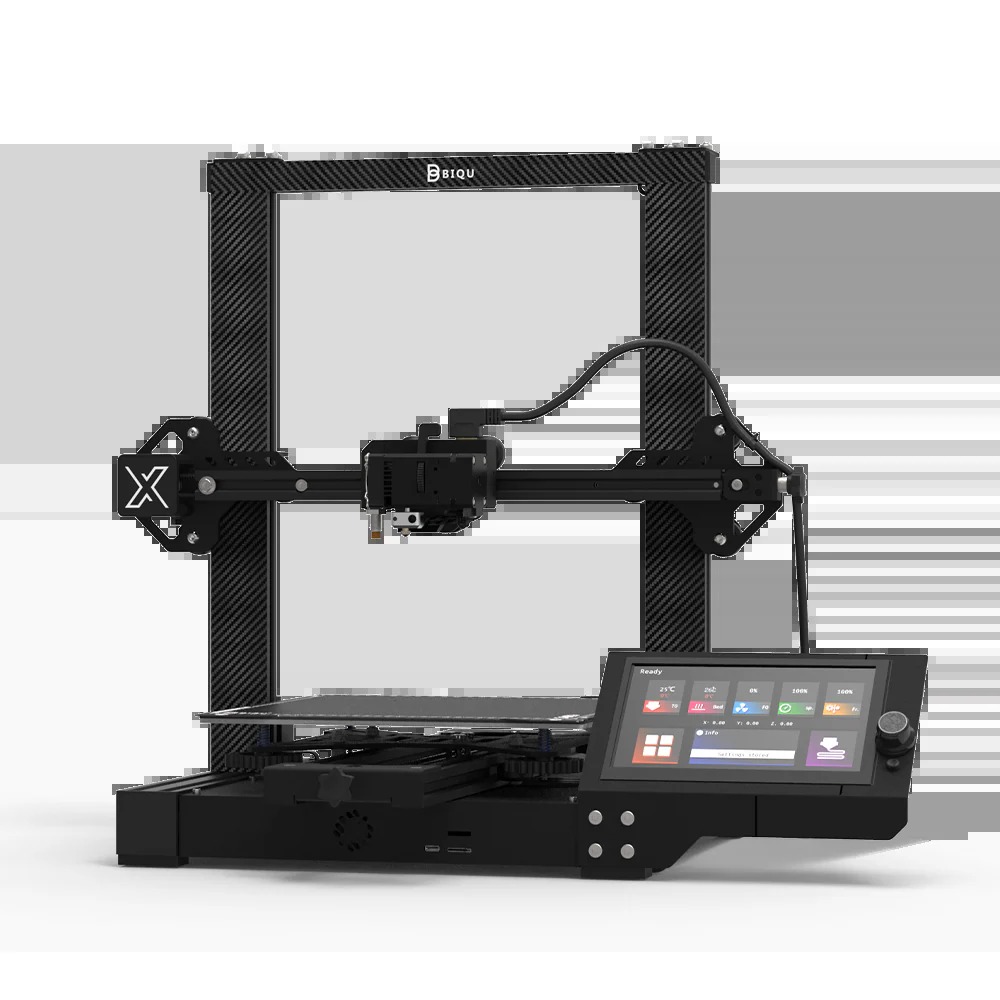
Diving Deep into biqu: My Experience with Their 3D Printer Upgrades
Hey everyone! If you’re anything like me, you’ve probably fallen down the rabbit hole of 3D printing. It starts innocently enough with a basic printer, and then before you know it, you’re tinkering, upgrading, and constantly looking for ways to make your prints faster, quieter, and more precise. That’s exactly where I found myself a couple of years ago, and it’s how I stumbled upon **biqu equipment**.
For those who might not be familiar, **biqu** (often seen as BIGTREETECH) has become a really significant player in the 3D printing DIY scene. They’re known for producing a vast array of components – motherboards, drivers, extruders, displays, and all sorts of bits and bobs that empower makers to customize and enhance their machines. My first encounter with their gear was born out of pure frustration with my old printer’s noisy stepper motors and clunky user interface. I knew there had to be a better way, and a friend pointed me towards the world of silent drivers and Klipper firmware, both of which often involve some **biqu** magic.
I remember spending countless hours on forums and YouTube, trying to figure out which upgrades would give me the most bang for my buck. The name **biqu** kept popping up again and again as a reliable and affordable source for high-quality electronics. I was initially hesitant – modifying a 3D printer can feel intimidating, like performing open-heart surgery on a delicate machine. But the promise of quieter operation and improved print quality was too tempting to resist. So, I took the plunge and bought my first **biqu** mainboard.
If you’re curious about what they offer or want to explore their range of products, you can check out their official site here: Visit Official biqu Website Now.
My Deep Dive into biqu’s Product Range
Over time, my initial cautious experimentation turned into full-blown enthusiasm. I’ve now upgraded several printers and built a custom machine from the ground up, all heavily relying on **biqu** components. Let me tell you about some of the standout items I’ve personally used and loved.
The Brains of the Operation: biqu SKR Mainboards
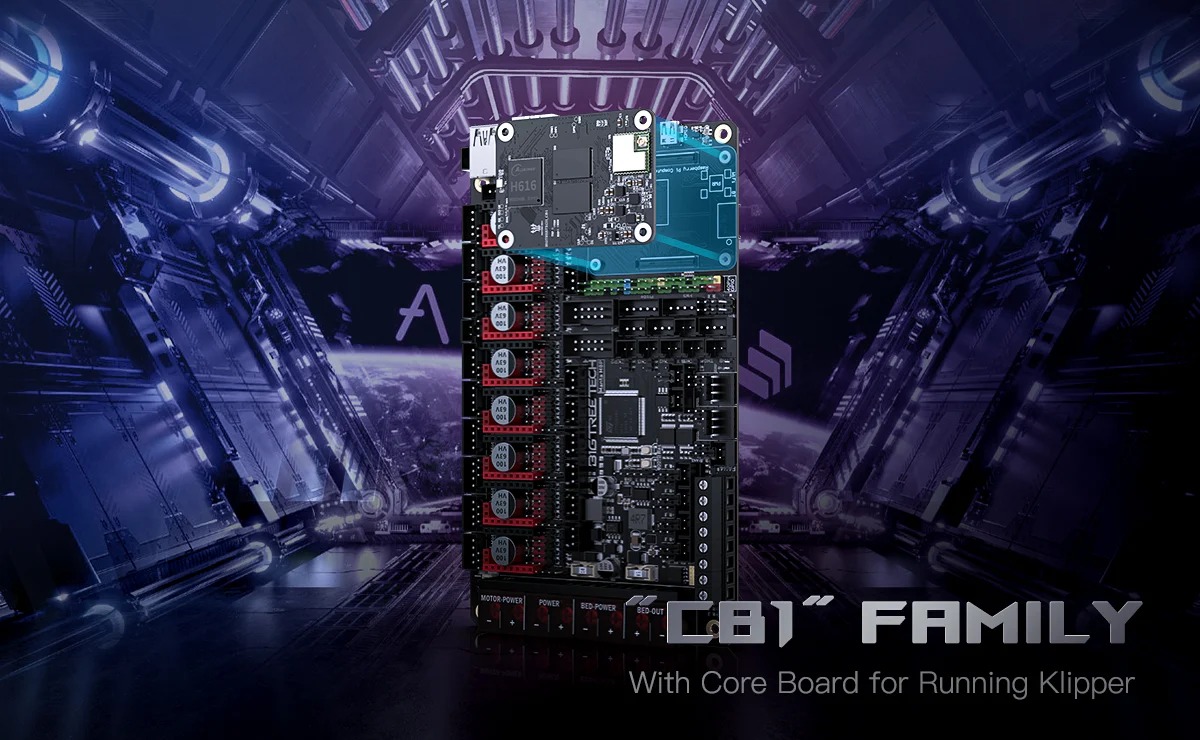
This is where it all started for me. My original printer had a dated 8-bit board that screamed like a banshee during every print. The **biqu SKR mini E3 V2.0** was my first foray into their mainboards, and it was a revelation. Designed as a drop-in replacement for Ender 3 series printers, it transformed my machine overnight. The silent TMC2209 stepper drivers were a game-changer. Suddenly, the loudest sound in my print room was the fan, not the motors!
Since then, I’ve moved on to more advanced **biqu** boards for other builds, like the **SKR 2** and the **SKR Pro 1.2**. These boards offer more motor drivers, more elaborate connectivity options (like dual Z-axis, multiple independent extruders, and plenty of fan ports), and are perfectly suited for running advanced firmwares like Klipper. The 32-bit architecture provides so much more processing power, allowing for smoother motion and more complex calculations, which translates directly into better print quality and faster speeds.
I remember setting up Klipper on my SKR 2, and while it definitely had a learning curve, the documentation and community support (often referencing **biqu** configurations) were incredibly helpful. It felt like I was unlocking a secret level of control over my printer. The ability to fine-tune every aspect of motion and temperature directly from a web interface (Fluidd or Mainsail) is just incredible. My own use of these boards has shown me that they are robust, reliable, and offer an unparalleled level of customization for their price point.
Precision Extrusion: biqu H2 and EBB Extruders
After getting the electronics sorted, my attention turned to the hotend and extruder. My initial Bowden setup often suffered from stringing and inconsistent extrusion, especially with flexible filaments. Enter **biqu’s direct drive extruders**.
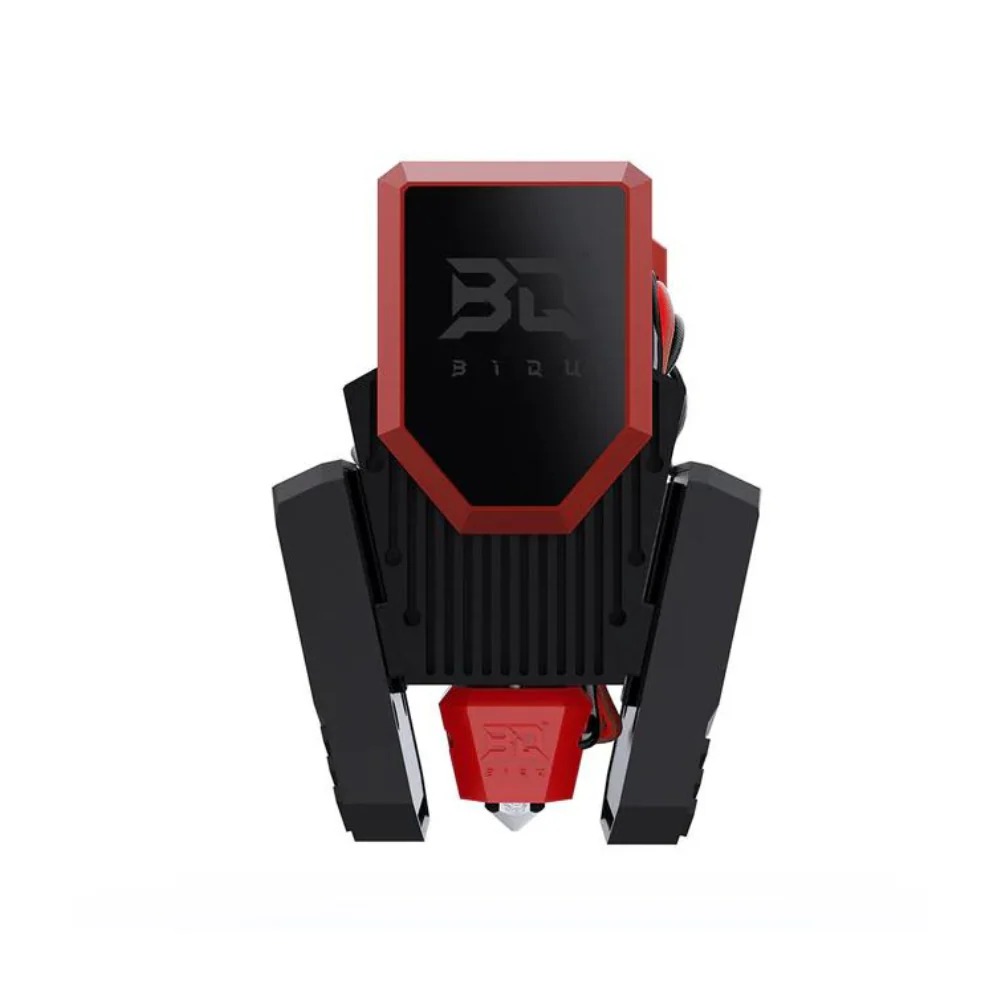
The **biqu H2 extruder** was my next big upgrade. It’s a fantastic all-in-one direct drive solution, combining a hotend and extruder into one compact unit. The weight reduction compared to some other direct drives is noticeable, allowing for faster accelerations without ringing artifacts. Installing it on my modified Ender 3 was straightforward, requiring only a printed mount and some wiring adjustments. The dual-gear drive system feeds filament incredibly consistently, and I immediately saw an improvement in print quality, particularly with PETG and TPU. No more battling stringing or under-extrusion!
More recently, I’ve been experimenting with the **biqu EBB (Extruder Base Board) series**. These are CAN bus toolboards designed to simplify wiring to the print head. Instead of running a bundle of wires for the hotend, thermistor, fan, and extruder motor all the way back to the mainboard, you just run a single CAN bus cable. This is a dream for modders and those building larger coreXY machines where cable management can become a nightmare. I’ve integrated an EBB36 into my Voron-style build, and the simplicity of wiring, coupled with the robust data transfer, makes it a truly elegant solution. My own use of the EBB has dramatically cleaned up my cable chain and made toolhead swaps a breeze.
Beyond the Core: Drivers, Screens, and More
Of course, **biqu** offers so much more. I’ve used their **TFT touchscreens** – these are vibrant, responsive, and offer both Marlin mode and touch screen mode, giving you the best of both worlds. Being able to quickly navigate menus with a finger or switch to a classic Marlin interface for precise jogging is super handy.
I’ve also sourced various smaller components from them: silicone heater socks, thermistors, heat breaks, and even some specialty fans. They consistently deliver decent quality at a price that makes upgrading accessible. When I was building my custom printer, I realized just how much of the ecosystem **biqu** touches. From the main brain to the final nozzle, they have a hand in making DIY 3D printing more achievable for everyone.
What I Really Appreciate About biqu
Having spent a good amount of time with their products, there are a few things that truly stand out about **biqu equipment**:
* **Innovation at Speed:** **biqu** isn’t afraid to push boundaries. They’re constantly releasing new versions of their boards, integrating the latest stepper drivers, and adapting to trends like CAN bus and Klipper firmware. It feels like they’re listening to the community and trying to deliver what makers need next.
* **Price-to-Performance Ratio:** This is probably their biggest selling point for many. You get a lot of features and quality for a fraction of the cost of some other brands. This makes advanced features like silent printing, Klipper compatibility, and direct drive accessible to a wider audience.
* **Community Integration:** While their own documentation can sometimes be a bit sparse (more on that later), their products are so widely adopted that there’s a massive community surrounding them. Need help flashing firmware on an SKR board? There are dozens of tutorials and forum posts specifically for **biqu** products. This ecosystem of shared knowledge is invaluable.
It’s been a truly rewarding experience building and upgrading with their components. If you’re looking to take your 3D printer to the next level, I highly recommend exploring their offerings. Visit Official biqu Website Now and see what catches your eye.
Where biqu Could Still Improve (Because Nobody’s Perfect)
While I’m generally a huge fan, it wouldn’t be a complete picture without mentioning areas where I think **biqu** could do even better.
* **Documentation Clarity:** This is probably my biggest gripe. Sometimes, their official documentation, especially for newer products or more complex features, can be a bit lacking or poorly translated. You often have to rely on community-made guides, which are great, but official, comprehensive guides would save a lot of head-scratching. It’s part of the DIY charm, but sometimes you just want clear instructions!
* **Learning Curve for Beginners:** Because many **biqu** products are designed for customization and require a certain level of technical understanding (especially with firmware configuration), they might not be ideal for someone who just wants a plug-and-play experience. You definitely need to be comfortable with a bit of tinkering and troubleshooting.
* **Minor Quality Control Hiccups:** On rare occasions, I’ve encountered a minor issue, like a slightly bent pin or a loose connector. These are usually easily fixed or replaced, but it’s something to be aware of. I’ve only had one genuinely faulty product out of dozens, and their support was pretty responsive in getting a replacement sorted out.
What Other Makers Are Saying
It’s not just my experience; the 3D printing community broadly shares a similar view of **biqu**. Here are a few sentiments I’ve heard or seen echoed across forums and social media:
* “I upgraded my old Creality printer with an SKR Mini E3, and it’s like a brand new machine. The silence alone was worth every penny. Installation was a bit fiddly with the firmware, but the guides on YouTube got me through it.” – *Mark, via a Reddit forum*
* “I swear by biqu’s H2 extruder. I print a lot of flexible filaments for my cosplay props, and it handles TPU like a champ. Plus, it’s so light, I can push my print speeds way up without ghosting.” – *Sarah, a friend who builds custom cosplay accessories*
* “Initially, I was intimidated by Klipper, but once I got an SKR board and an EBB toolhead, the control and precision I got were incredible. biqu really makes advanced features accessible, even if you have to read a few wikis to get there.” – *David, from a local maker group*
* “Their TFT screens are surprisingly good for the price. I love being able to switch between the touch interface and Marlin mode. Makes troubleshooting and fine-tuning much easier than the old monochrome screen.” – *Jessica, commented on a review video*
These comments really highlight the common themes: the value, the performance benefits, and the DIY spirit that **biqu** embodies.
Final Thoughts: Is biqu Right for Your 3D Printing Journey?
So, after all my tinkering, upgrading, and printing with **biqu equipment**, would I recommend them? Absolutely, but with a slight caveat.
If you’re a hobbyist, an enthusiast, or someone who loves to dive deep into the mechanics and electronics of your 3D printer – if you enjoy the process of learning, building, and optimizing – then **biqu** is an absolute goldmine. Their products offer incredible value, robust features, and are often at the forefront of new technologies in the 3D printing space. They provide the building blocks to truly customize your machine, optimize performance, and explore advanced functionalities like Klipper.
However, if you’re looking for a completely plug-and-play experience, or you’re strictly against any form of technical troubleshooting, you might find the initial setup of some of their more advanced products a bit challenging. That said, the satisfaction of getting it all working and seeing the dramatic improvements in your prints is incredibly rewarding.
For me, **biqu** has been instrumental in taking my 3D printing hobby from a casual pastime to a much deeper and more capable pursuit. They’ve empowered me to understand my machines better and achieve print results I never thought possible with my budget. Their constant innovation keeps me excited about what’s next, and I’m always eager to see what new gear they’ll release that can push my printing even further.
So, if you’re ready to roll up your sleeves and unlock the full potential of your 3D printer, I highly recommend checking out what **biqu** has to offer. It could be the upgrade that transforms your printing experience.
Ready to explore their fantastic range of products? Click here: Visit Official biqu Website Now.


You May Also Like
My Journey with terra thread: Sustainable Style That Just Feels Right

Ditching Sugar: My Olipop Journey & Why It’s My Go-To Healthy Soda Alternative